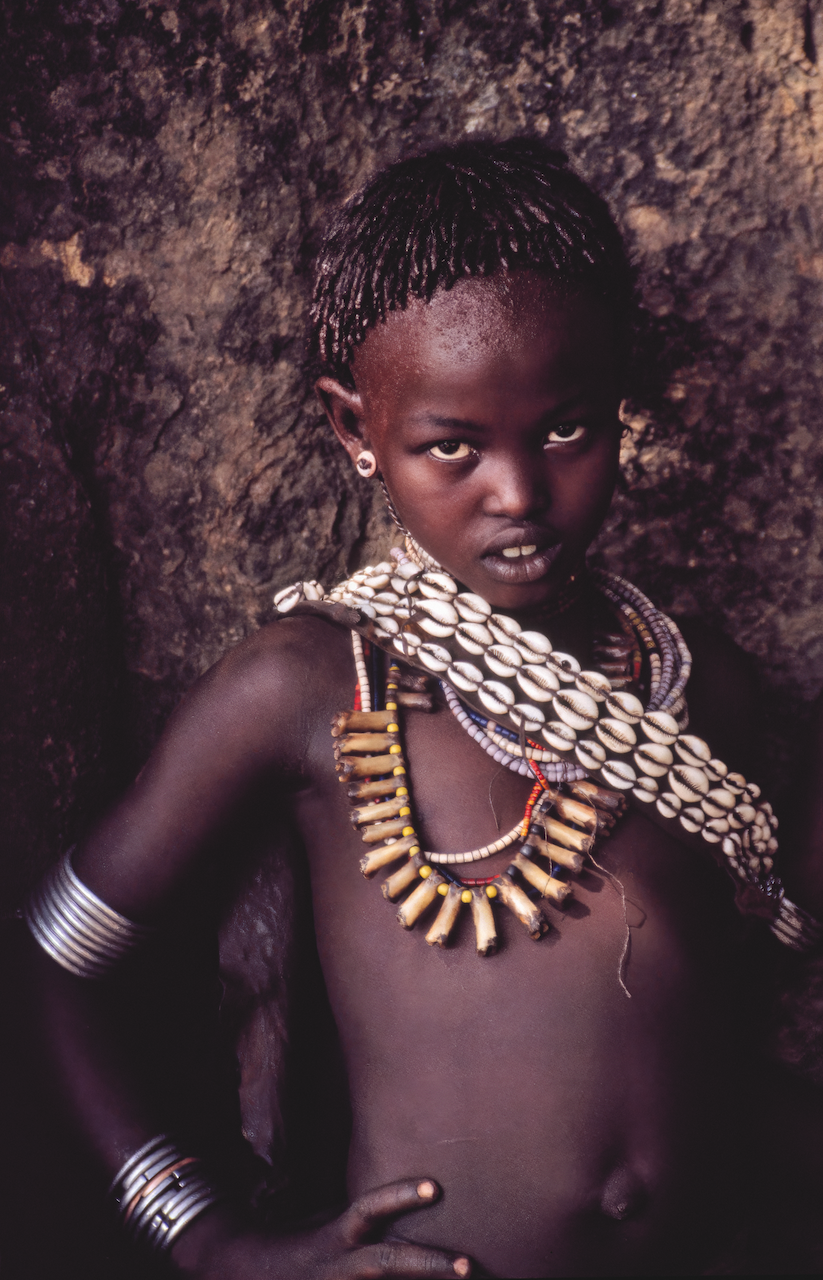
Karo tribe
Ethiopia · Omo valley.
“Starting from Addis Ababa, the capital of Ethiopia, and after a trip by bus, I arrived at the village of Arba Minch, the last stop for buses heading south. From there, the journey continued with a soft drink carrier who was kind enough to take me in his truck to the village of Jinka, the starting point for entering the Omo National Park. There the road ends and the only safe means of transportation are four-wheel drive vehicles.
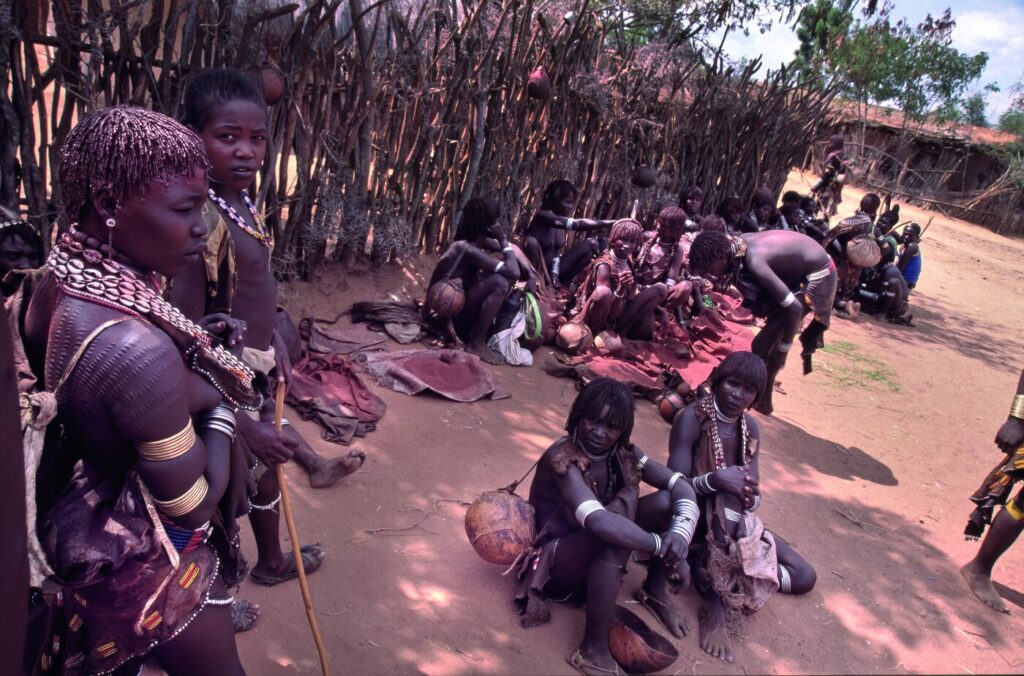
Together with the local guide Tesfai Buna, we set off for the land of the Hame tribe.
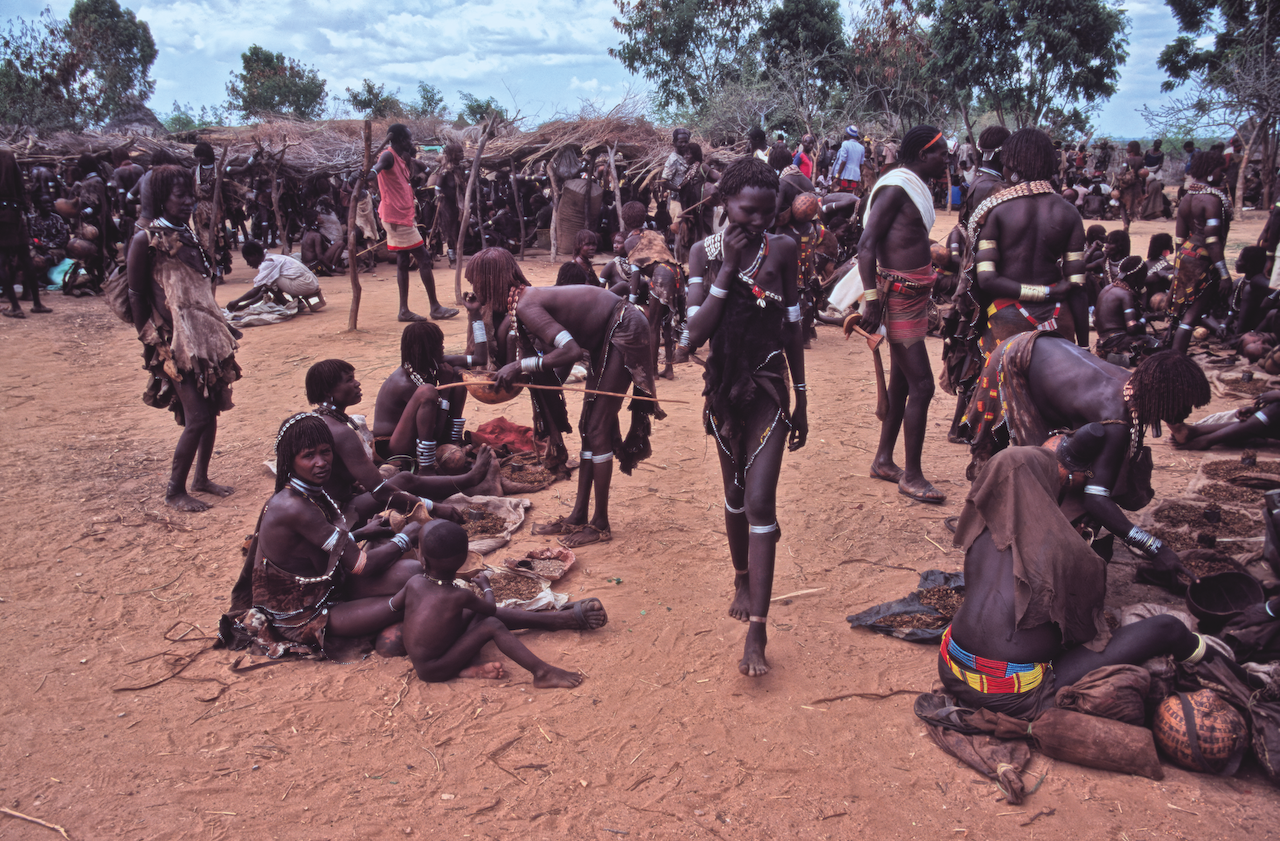
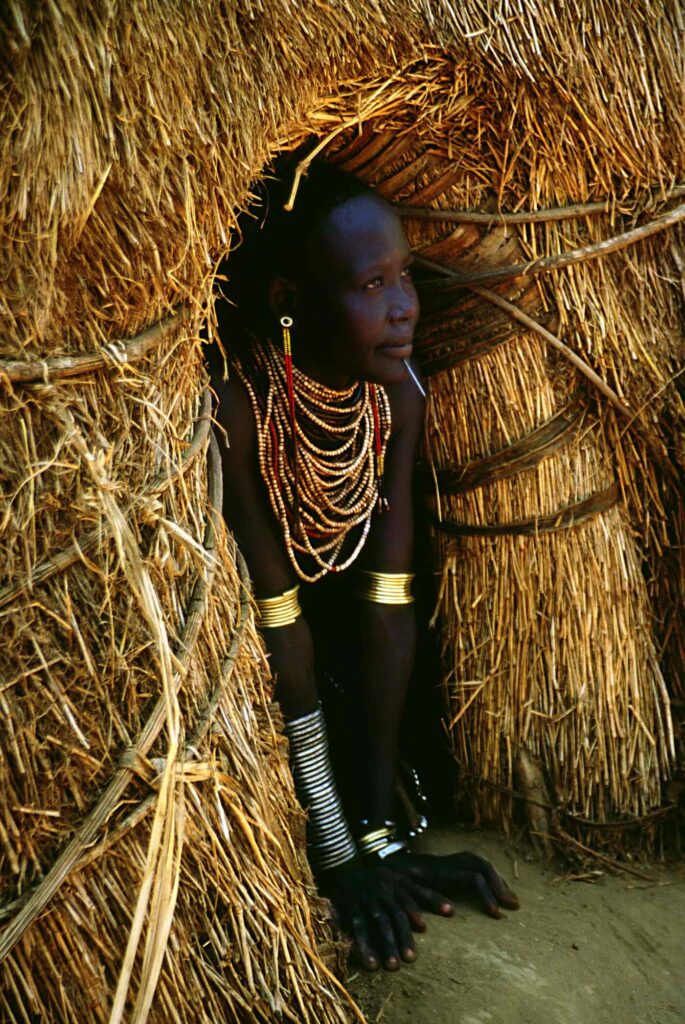
Livestock farming and agriculture are the main resources for the survival of the southern tribes. The area is characterized by its dry climate and the locals rely heavily on the annual floods that revitalize the river banks. Their herds consist of sheep, goats and cows and there are times when they literally fight to protect them from the wild animals that inhabit the area, such as the crocodiles in the river. For this reason, some Karo villages are built on hills so as to oversee the river and the area from above.
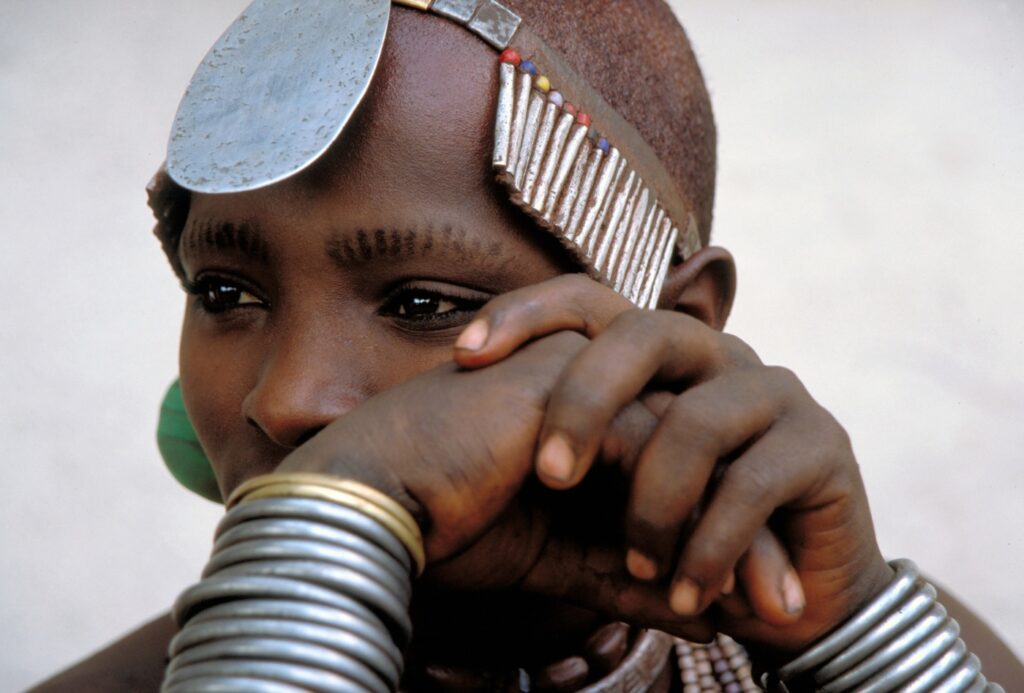
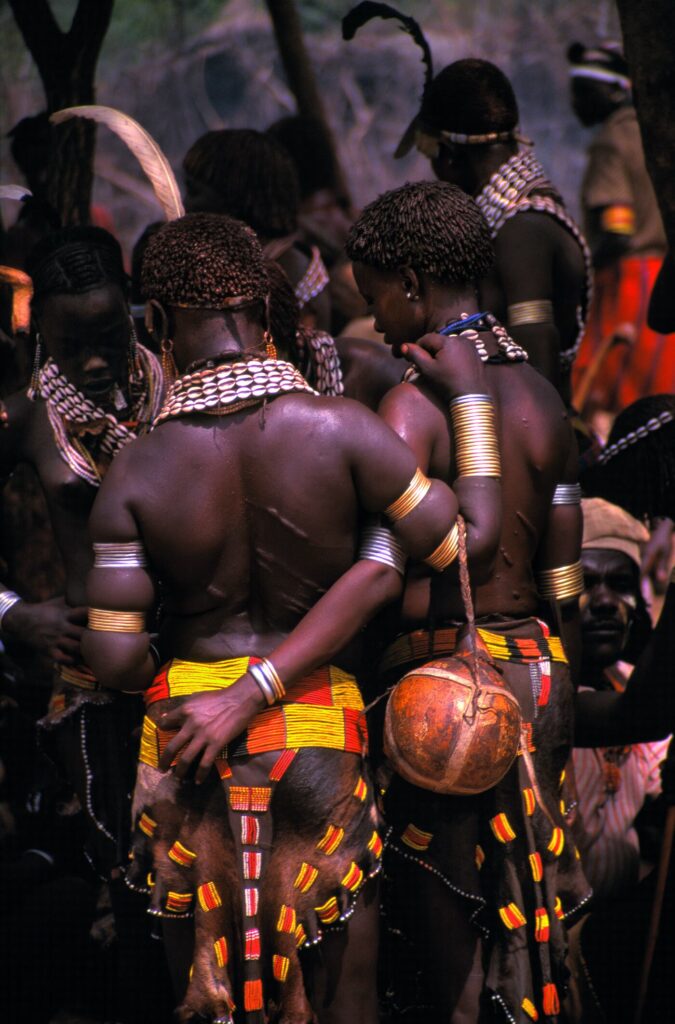
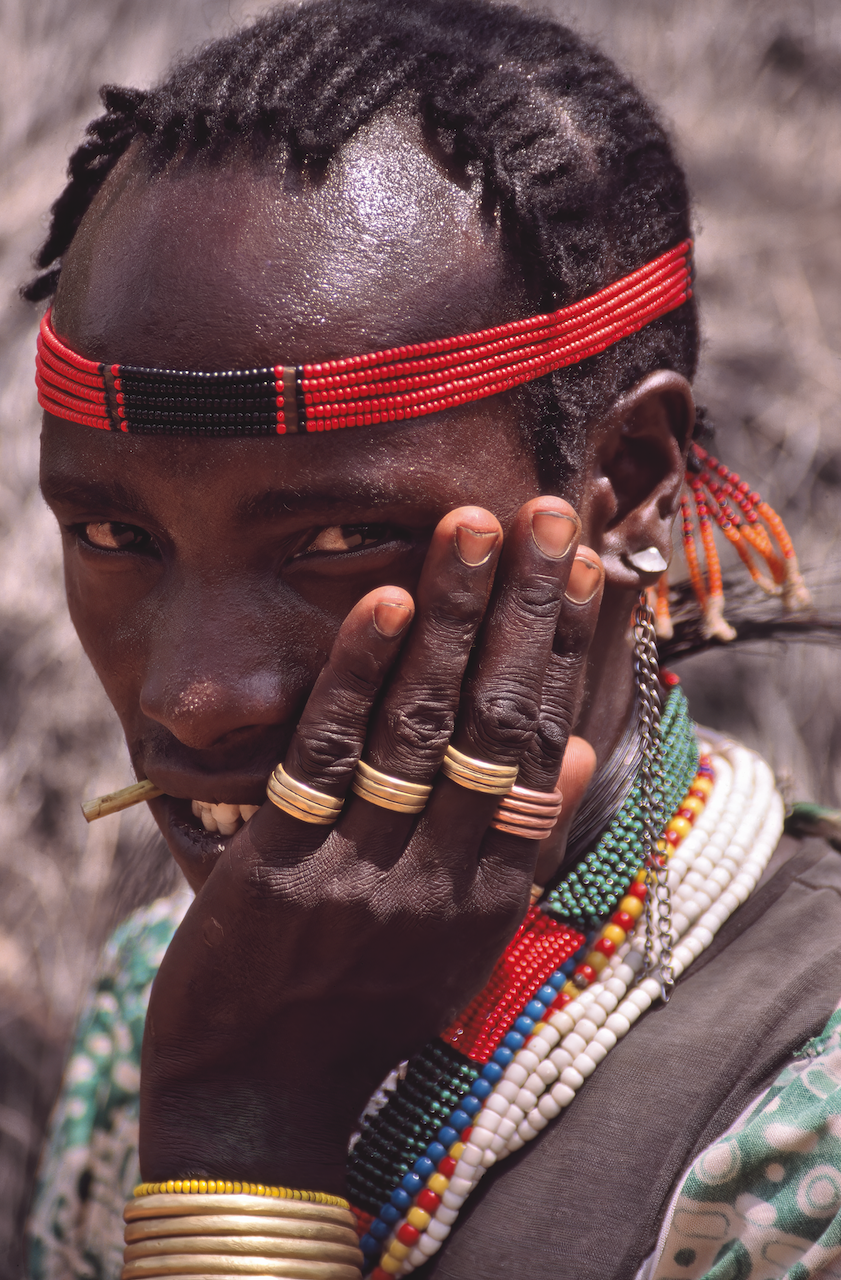
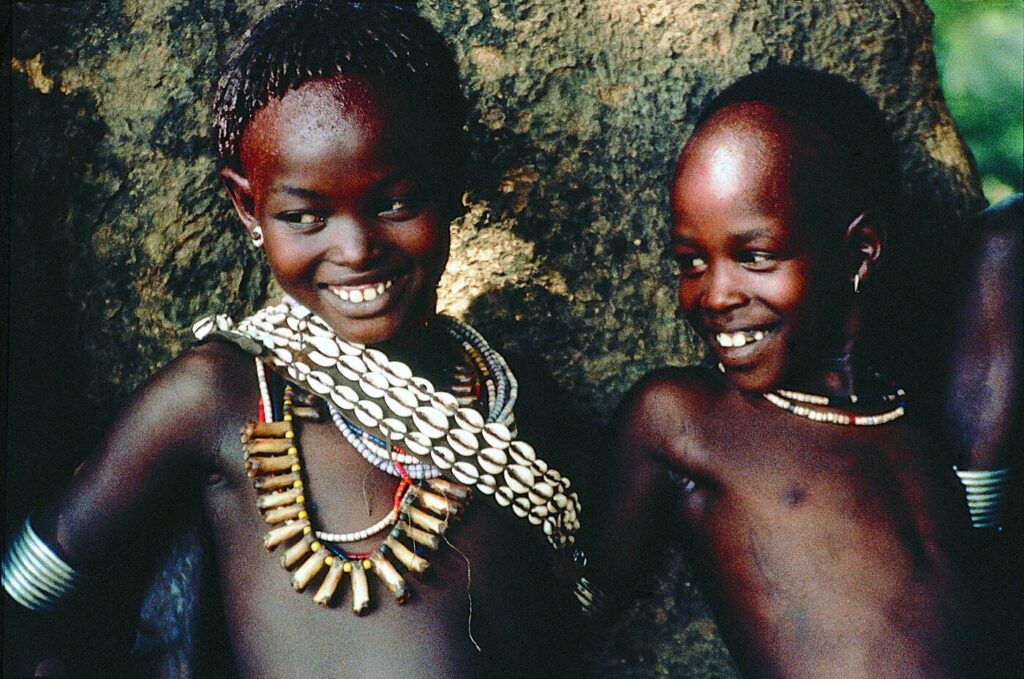
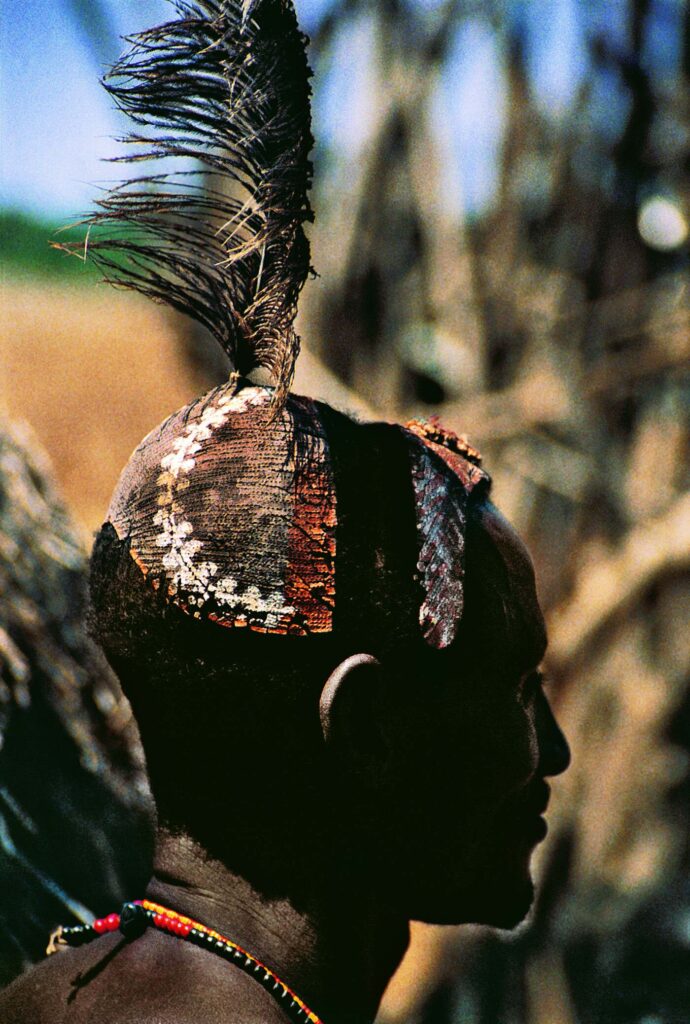
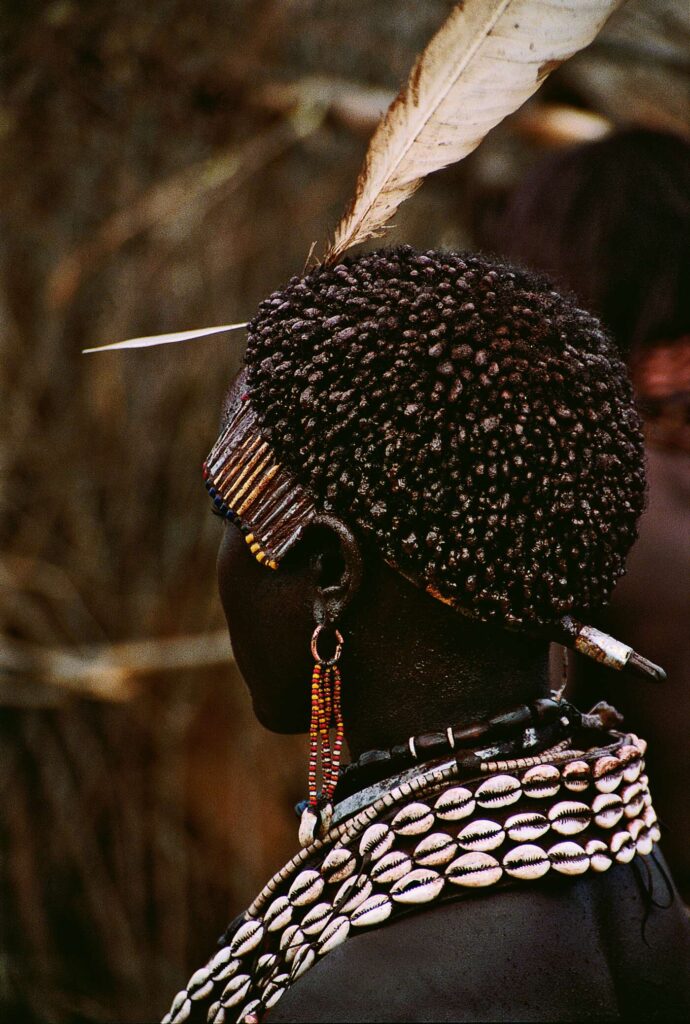
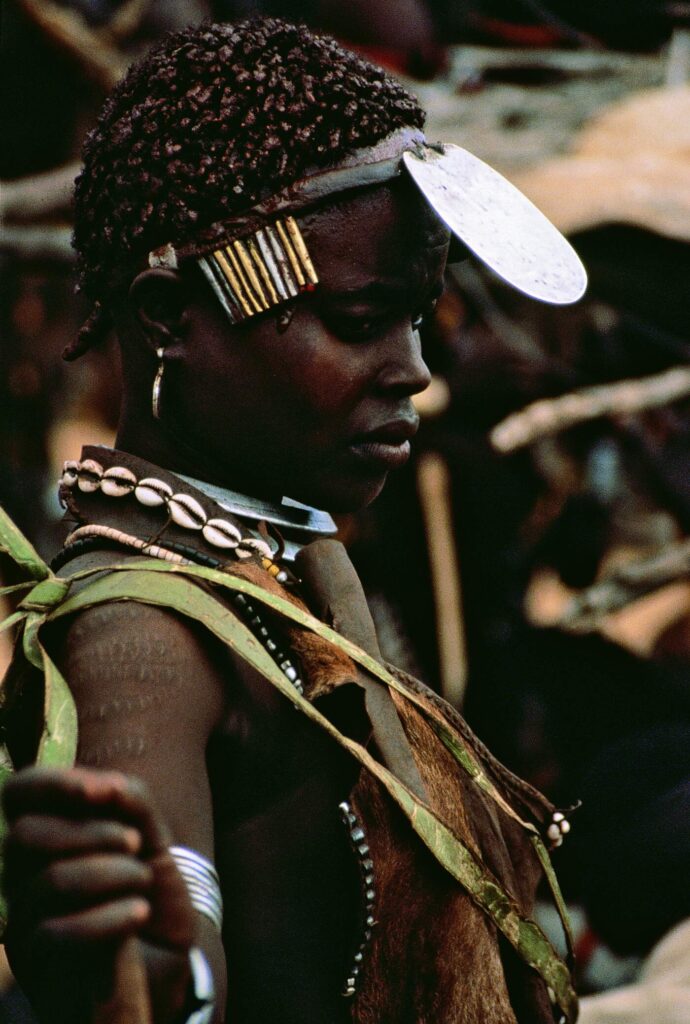
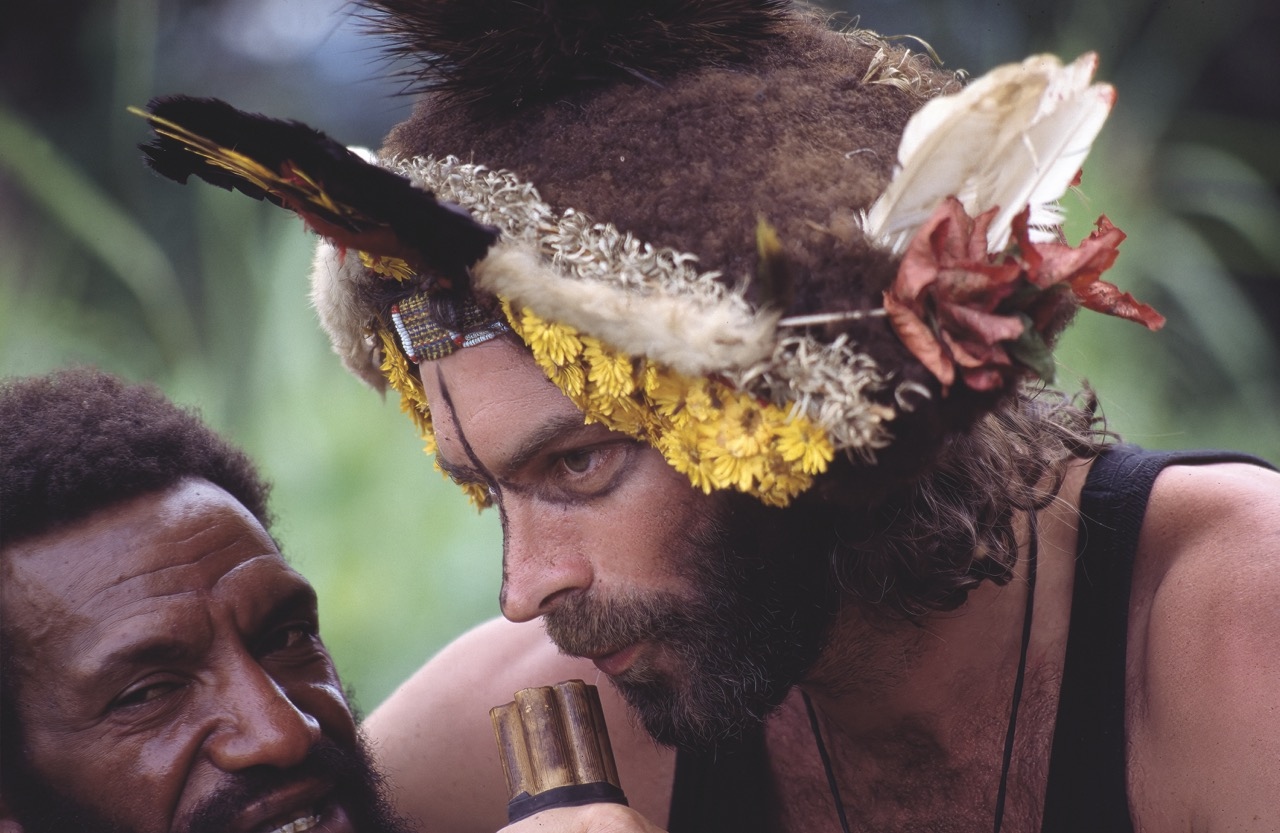
The artistic creativity of the people of the region is unique. The Karo and Hamer men shave their heads in sections, forming elaborate designs and adding clay "hats", which they paint with traditional designs and decorate with ostrich feathers and to protect them they sleep with their heads resting on specially made wooden stools.
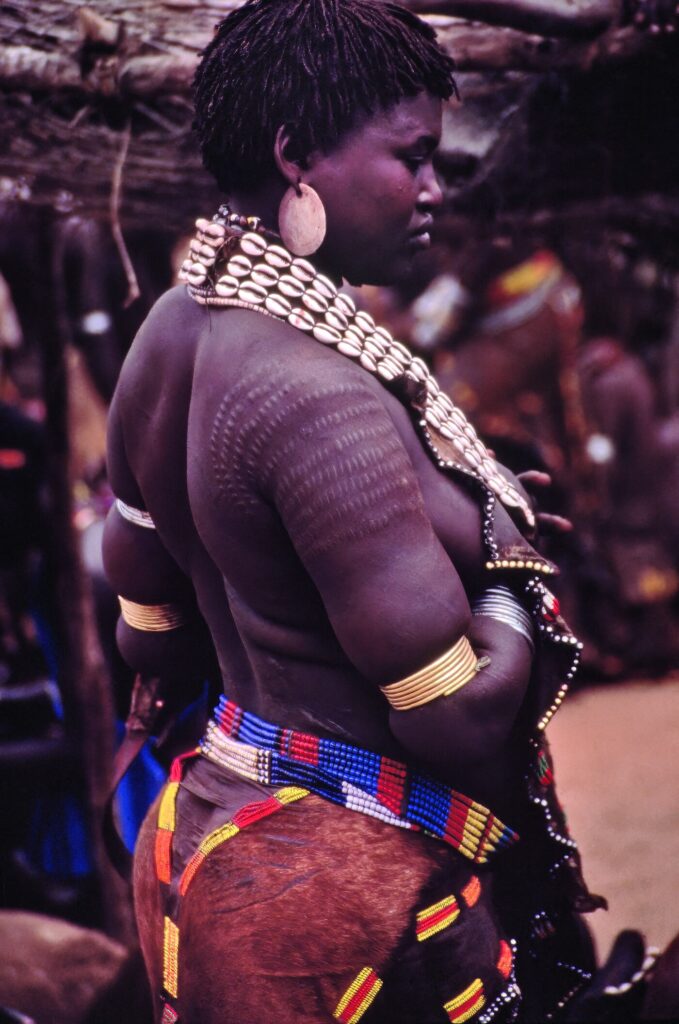
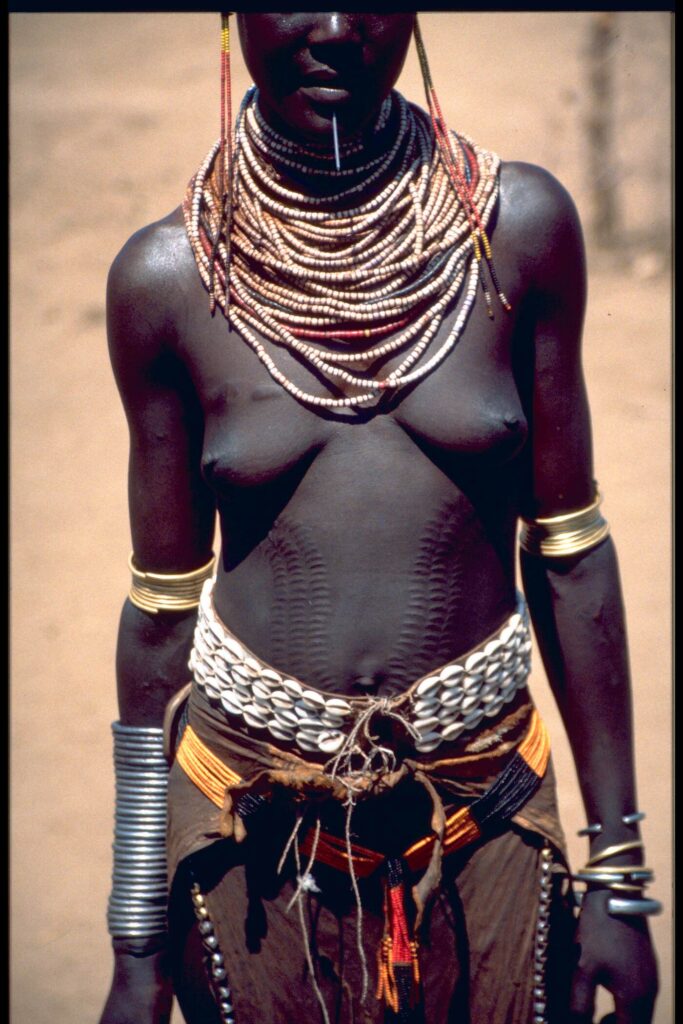
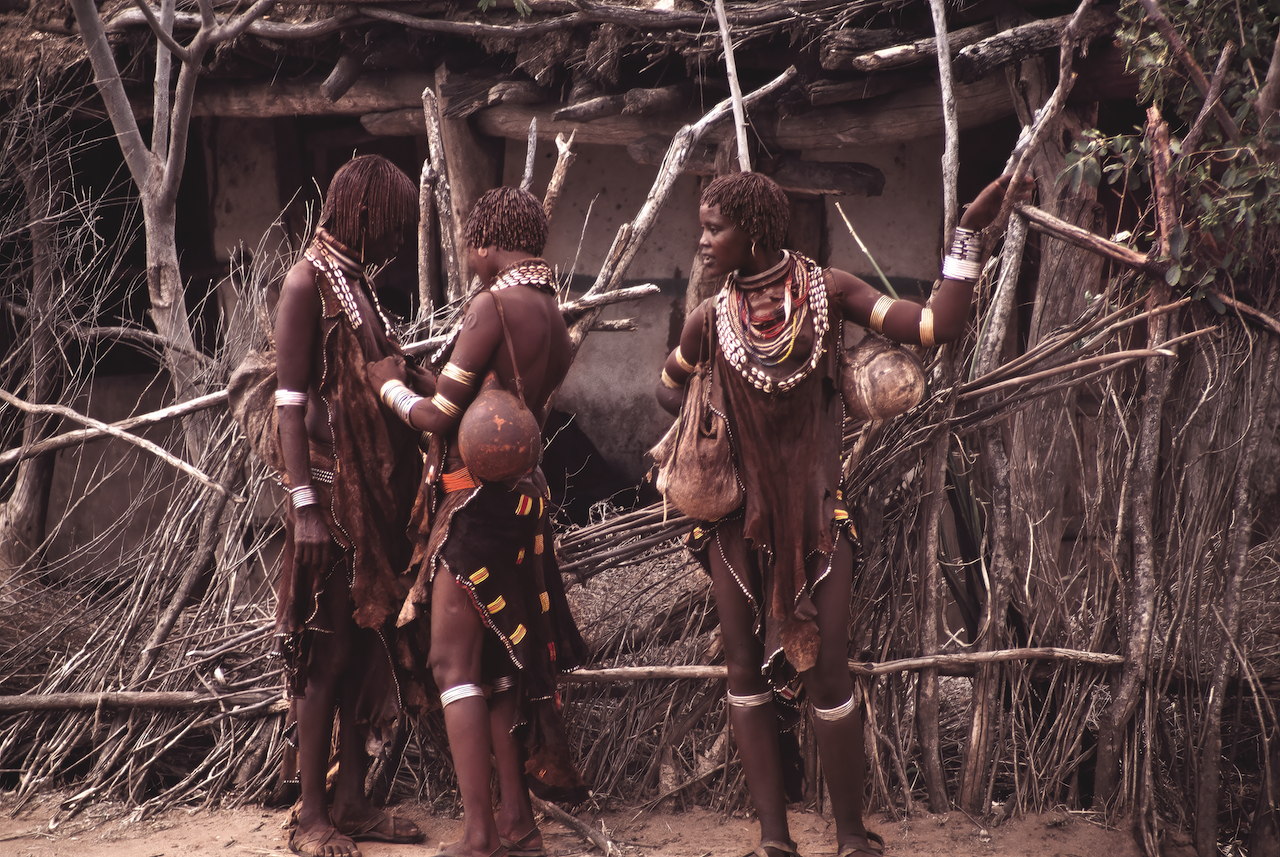
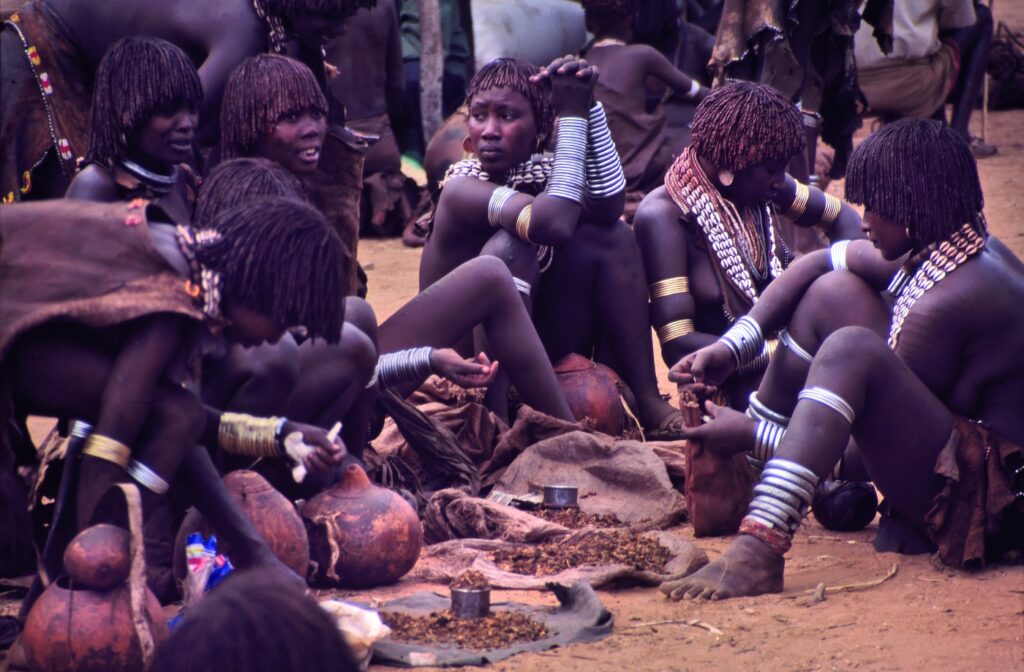
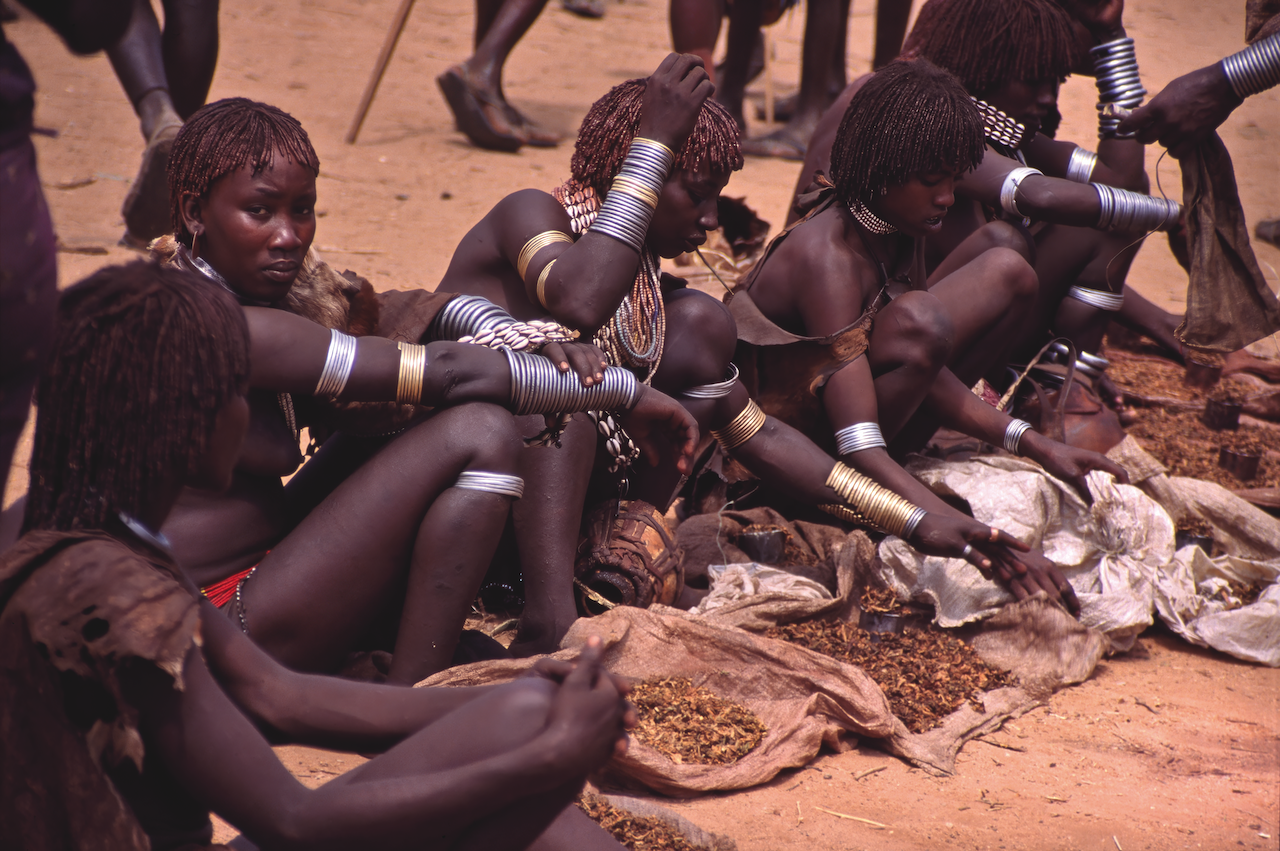
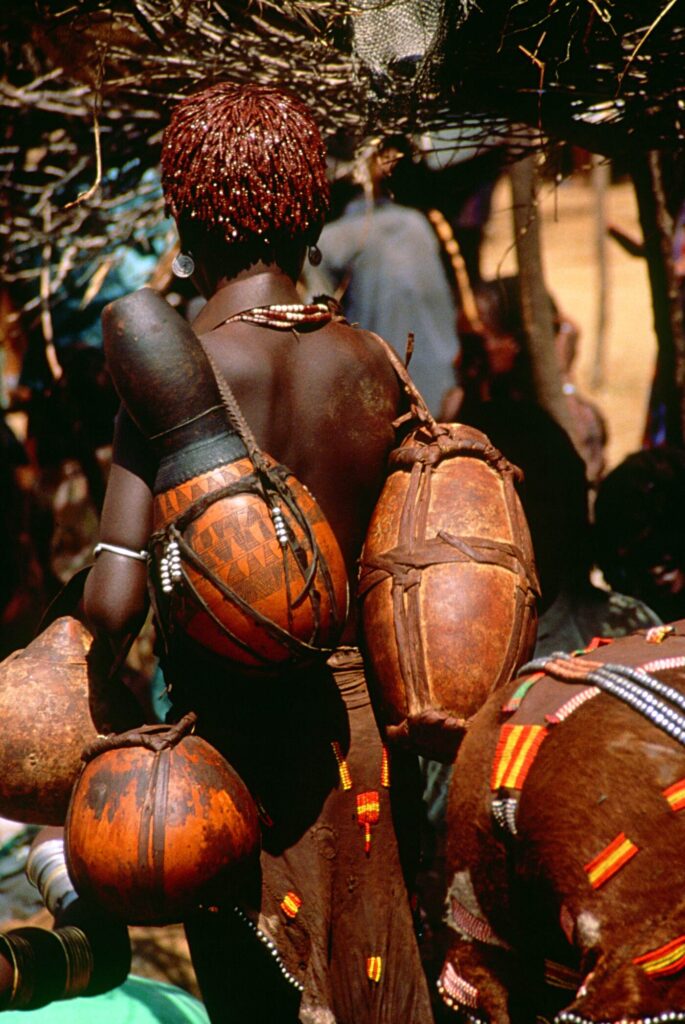
In the Hamer tribe, women have developed a specific hairdo fashion where they create thick braids using butter or pork fat combined with mud. They also adorn themselves with aluminum jewelry, the creation of which is a separate art in itself.
Our stay in Omo was enough to impress me with the unwavering authenticity of the people who believe in and worship Mother Earth. Far from modern technology and completely grounded, the people of Omo consciously choose to experience their daily lives in the same way for thousands of years, trusting them with the power of nature”.
— yannis psilakis